What if space, energy, and mass all emerge from time?
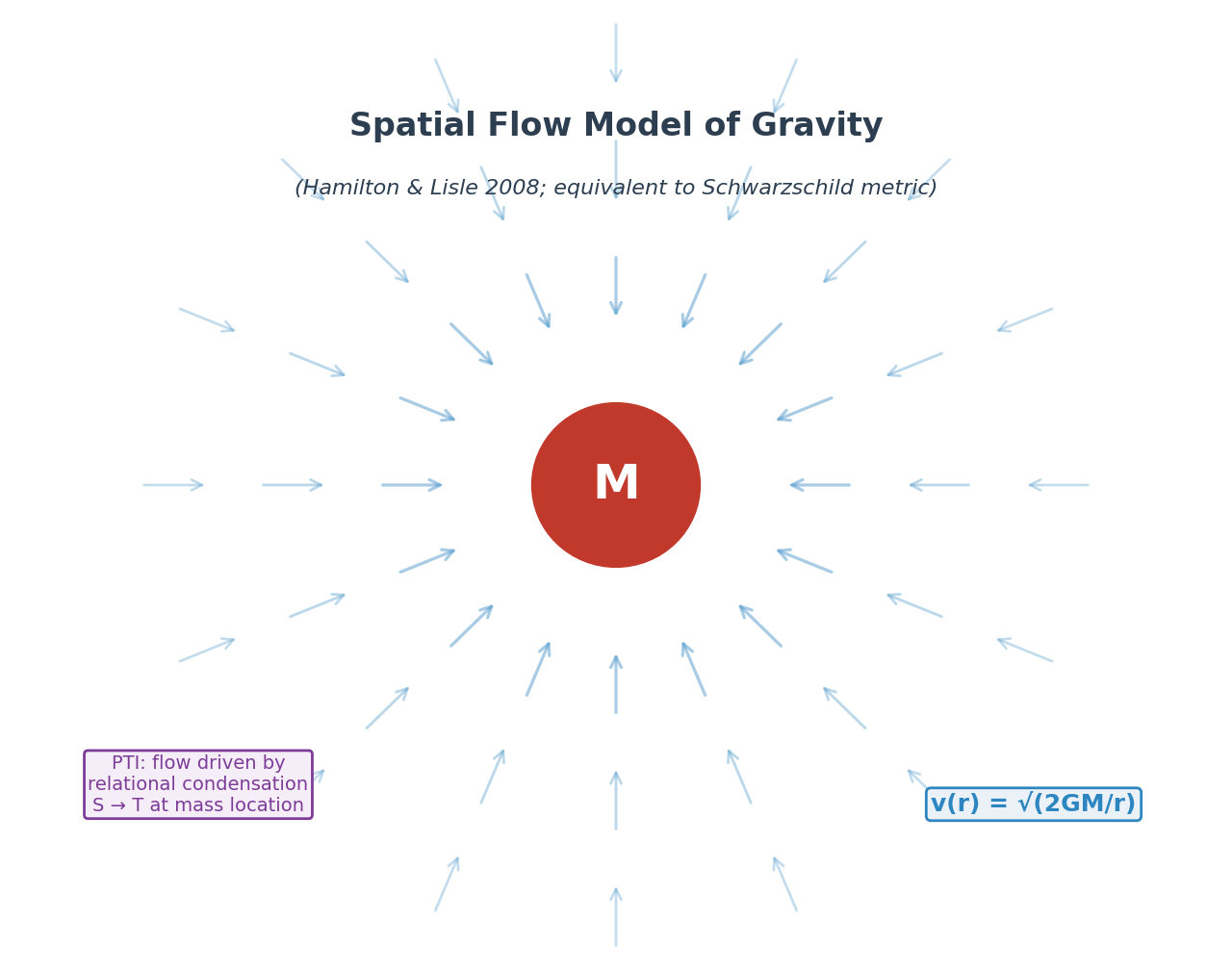
General Relativity and Quantum Mechanics are the two most successful theories in the history of physics — and they are mutually incompatible. PTI proposes that both are valid projections of a deeper relational structure, seen from different reference frames.
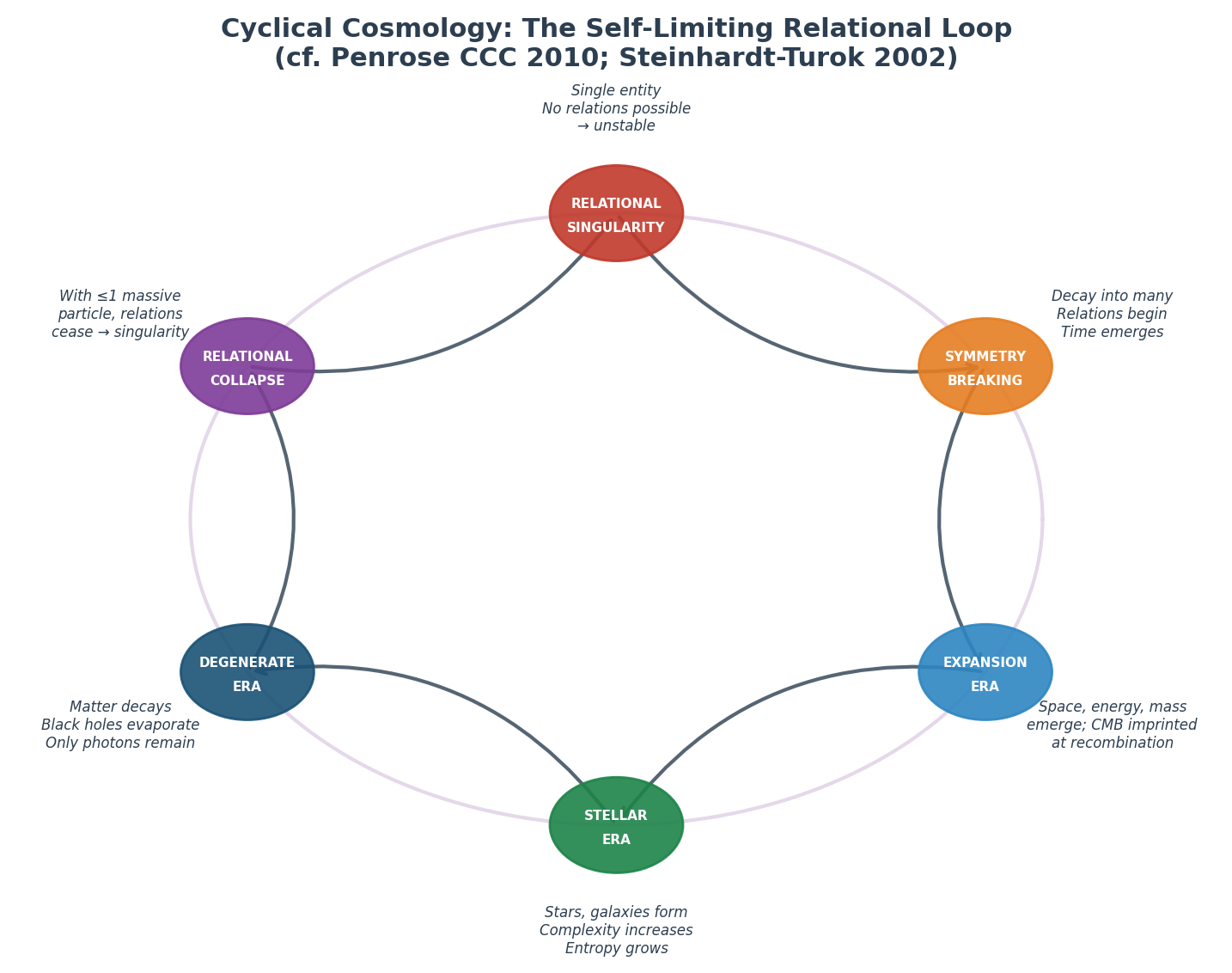
The universe is not a stage on which events play out. It is a self-referential comparative engine, where existence requires interaction, and observation shapes reality.
Three Axioms
Relational Existence
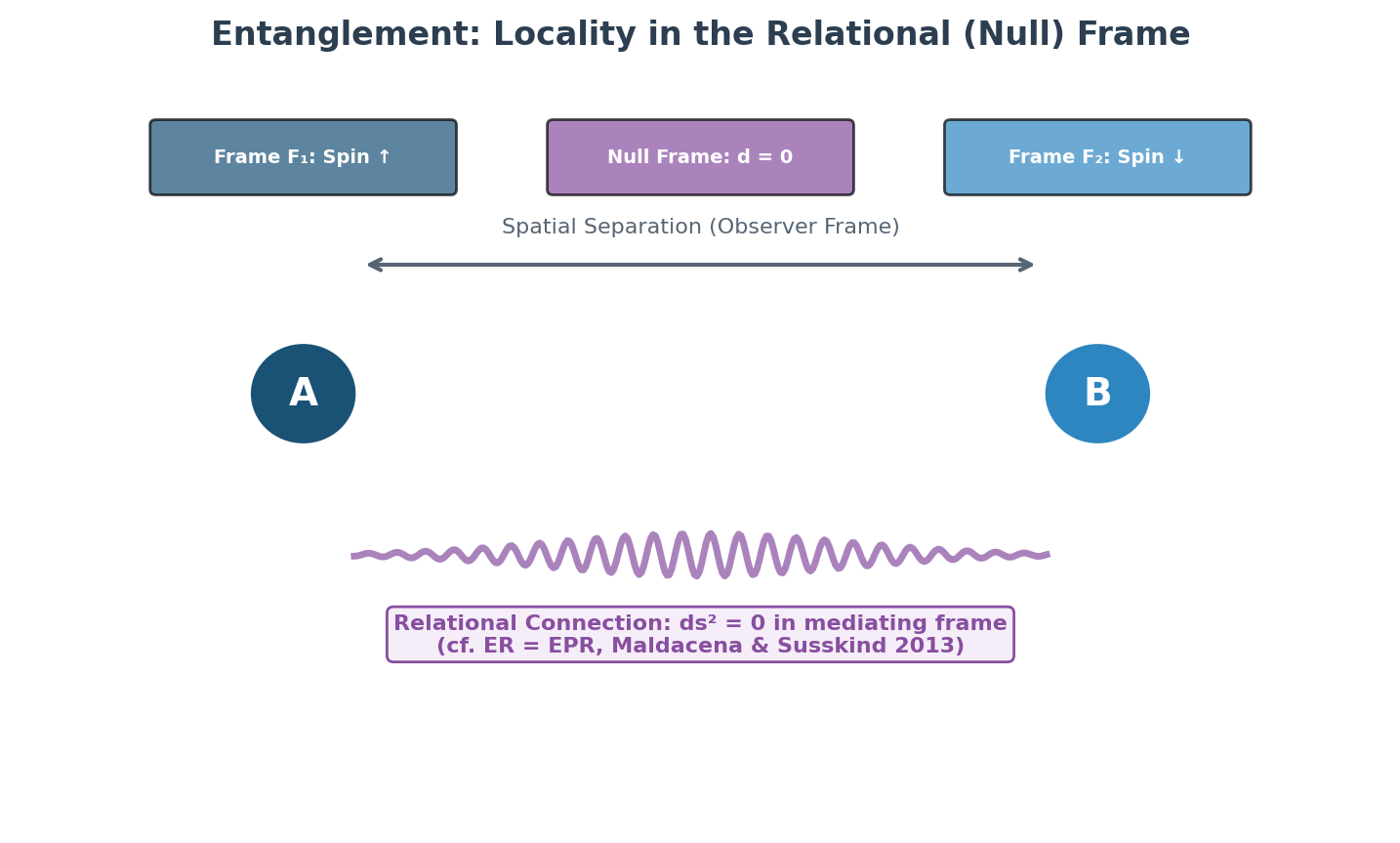
An entity exists if and only if it interacts with at least one other entity. Existence is constituted by relation, not by substance.
Hierarchical Condensation
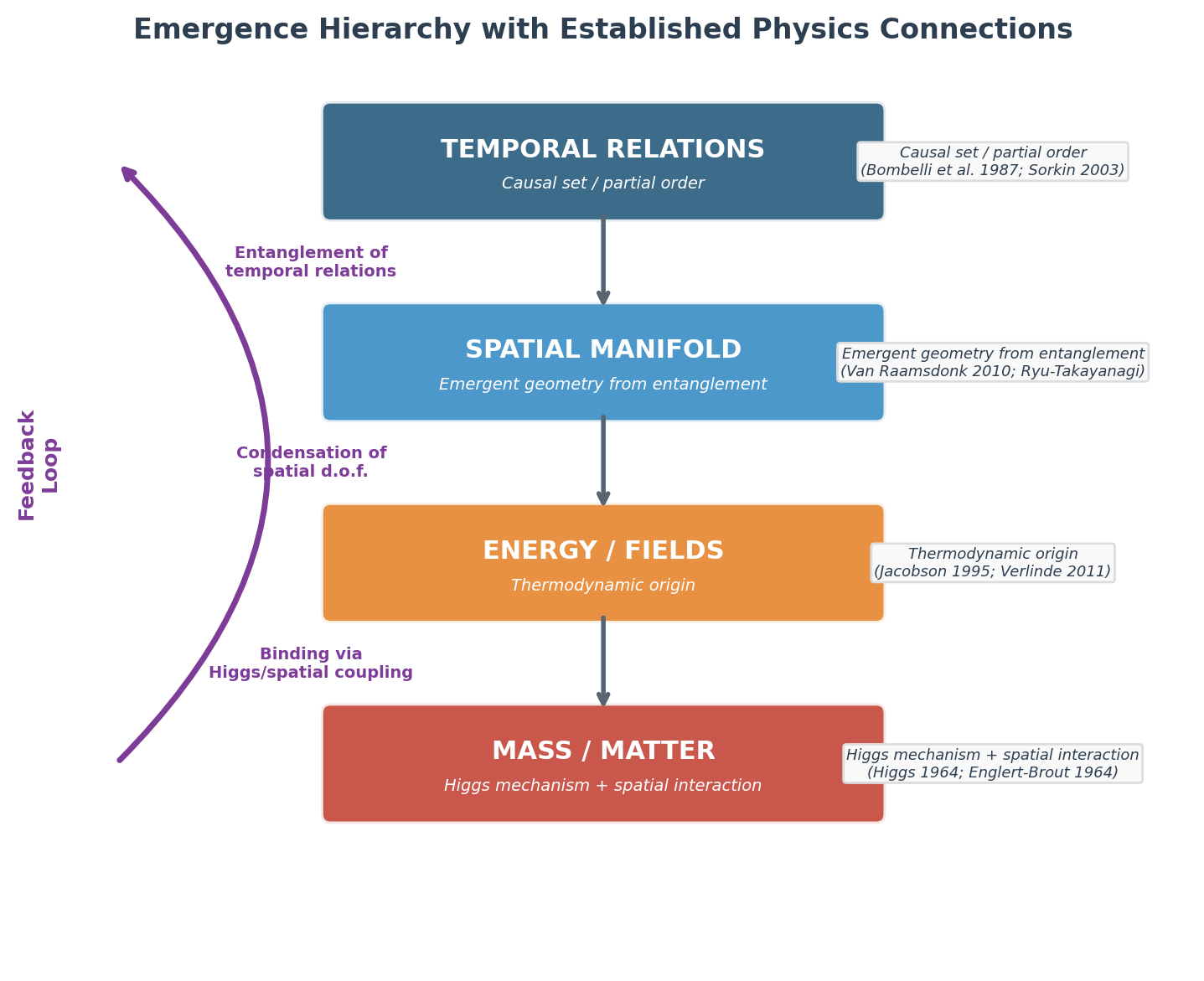
Interactions produce new entities at higher complexity. Time begets space; space-time begets energy; energy begets mass.
Frame-Dependent Decomposition
The categories of time, space, energy, and mass are observer-dependent projections of a single relational structure.